
Water damage can be overwhelming, especially for homeowners in Utah. You may be dealing with the aftermath of a sudden storm, a pipe bursting, or even a small leak that turns into a larger issue. It’s natural to feel a bit anxious when you’re confronted by potential repairs and restoration work. But understanding the basics of water damage restoration can assist simplify the process and possibly ease some of that stress.
In places like Salt Lake City, the necessity for immediate water removal can occur unexpectedly. Perhaps you’ve heard stories from neighbors about the severe damage caused by water issues, or maybe you’ve gone through it firsthand. The key is understanding how to respond quickly and effectively. Water damage mitigation isn’t just about fixing what’s broken; it’s about safeguarding your home and your property. Let’s explore what you should understand about water damage restoration in Utah, so you feel more prepared if you ever find yourself navigating this difficult situation.
Comprehending Water Destruction
Water damage can slip up on you. It may start with a small leak, perhaps from a forgotten faucet or a worn-out roof. Before you understand it, that little problem can transform into something significantly bigger. It’s not just about getting soaked walls or floors; it can lead to mold, building damage, and a real headache if not handled promptly.
In Utah, the climate can add its own complication. With snow in the winter and dry spells in summer, homes are often exposed to changing conditions. Ice melt can lead to overflowed basements, while severe rainstorms might find their way into openings you didn’t know existed. Recognizing these risks is vital for all homeowner.
You may wonder how to identify water destruction early. Look for marked spots on walls or ceilings. A musty smell can indicate mold growth, which you absolutely want to tackle quickly. Being alert can save you time, money, and stress in the long run. So, keep an eye on those small signs—they often lead to more significant issues if neglected.
Immediate Actions to Consider
When you encounter water damage, the first thing to do is stop the source. It’s vital to identify the leak or whichever issue is causing the problem. In case it’s a burst pipe, disable the main water supply. This simple action can stop further issues. I once dealt with a minor leak, and it turned into a much bigger problem because I didn’t act quickly.
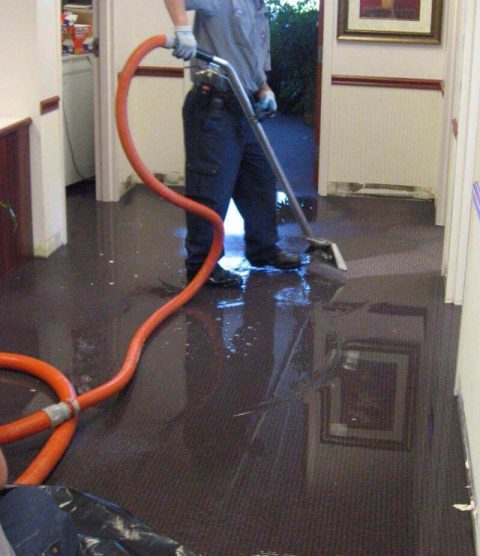
Once securing the source, you should remove any standing water. When the situation is manageable, use a wet vacuum. If there’s a lot of water, consider calling for emergency water removal in Salt Lake City. Specialists have the appropriate equipment and experience to handle substantial water removal, which is often necessary. I discovered that the hard way when I tried to handle too much on my own.
Then, begin the drying process. This entails moving wet furniture and belongings out of the area to prevent mold growth. Open windows and doors when weather permits. Using fans or dehumidifiers can accelerate the process, too. I remember watching the drying process take a few days longer than expected, but patience is essential here. You must not skip this step. Mold is difficult, and it’s best to be comprehensive.
Restoration Procedure Overview
Flooding remediation in the state of Utah consists of several key stages. To start, you need to identify the cause of the water. Address any leaks that are resulting in the problem. If it’s a significant event, like flooding, you could need experts to manage the situation. Urgent water extraction is vital at this stage in the process. The sooner you get rid of standing water, the more beneficial.
Next, drying and dehumidification come into focus. It’s not just about getting rid of the moisture; you also have to ensure everything is completely dehydrated. Fungi and mold spores can grow quickly in humid and moist conditions. Using fans and humidity control devices helps accelerate the evaporation procedure. Occasionally, it appears like you are just waiting around, but it’s essential.
After everything is dry, the actual restoration work starts. This might include restoring walls, flooring, and any destroyed belongings. You’ll want to assess what can be recovered and what needs to be replaced. It can come across intimidating, but proceeding gradually helps. Keep in mind, each case is unique, and your strategy might change based on the extent of the damage.
Selecting a Rehabilitation Provider
Choosing a rehabilitation provider can seem overwhelming. When you are dealing with flood destruction, the immediacy makes the selection even more important. You might want to initiate by looking for businesses that focus in flood damage repair Utah. A local firm often knows unique climate challenges and typical issues residents face.
Review feedback and endorsements. Hearing from other homeowners can offer you perspective into their experience. Don’t hold back to ask questions. You might want to ask how much time the procedure will take or what equipment they use. This is your property, after all, and you deserve transparency. If a service seems unreliable, it might trigger a red flag.
Seek out certifications and protection. A professional provider will have permits and sufficient coverage. It safeguards you and indicates they are committed about their service. Some companies might have emergency water removal Salt Lake City urgent flood removal Salt Lake City, which can be a lifesaver. In the end, rely on your intuition on who seems right for the task. It’s an significant selection, so do not rush.
Mitigating Future Damage
Mitigating future liquid damage can feel overwhelming, but there exist feasible steps to consider. Start with inspecting your property regularly. Search for water intrusion in areas including pipes, ceilings, and lower levels. If you notice any wet patches or marks, take action quickly. It’s preferable to fix a minor issue before it turns into a larger, more costly issue. You could also think about a record of places to look at each period.
Additionally, consider your eavestroughs and downpipes. They serve a vital function in leading water away from your property. Clean them regularly, particularly in the season of fall. Clogged gutters can lead to water to pool and penetrate into your structure. Fitting drain guards can also help reduce junk collection. It’s a small expense that may protect you against major maintenance down the track.
Finally, reflect on the yard around your home. Grading your land to tilt away from your foundation may keep water from pooling. Planting plants far from your property’s structure is smart too, as roots can create cracks. You could also invest in a basement pump if you have a below-ground area. This could be a turning point during severe downpours, offering assurance. Maintaining your property secure from liquid harm takes work, however it’s worth it in the end.
