
The allure of private aviation is undeniable, providing the promise of convenience, luxurious, and time financial savings. However, proudly owning a private airplane comes with a major monetary commitment that extends far past the preliminary buy price. This report delves into the varied prices related to owning a private airplane, offering prospective consumers with a comprehensive understanding of the financial panorama they could encounter.
Preliminary Purchase Prices
The primary and most obvious expense when contemplating a semi private jet charter airplane is the purchase price. This can vary dramatically primarily based on the type of aircraft, its age, brand, and specs.
- New vs. Used Aircraft: New private jets can range from $3 million to over $ninety million for top-finish models. For instance, a light jet just like the Cirrus Vision Jet can cost round $2 million, whereas a big cabin jet such as the Bombardier Global 7500 can exceed $seventy five million. On the other hand, used aircraft might be significantly cheaper, with prices usually beginning from around $500,000 for older fashions. However, buyers should be cautious of potential maintenance points and hidden costs associated with used aircraft.
- Financing Choices: Many buyers go for financing their aircraft purchase, which might involve loans or leases. Interest rates can differ based mostly on the buyer’s creditworthiness and the aircraft’s worth. The financing phrases can even affect the entire price of possession considerably.
Operating Costs
Once the aircraft is bought, the continuing operating prices start. These prices could be categorized into several key areas:
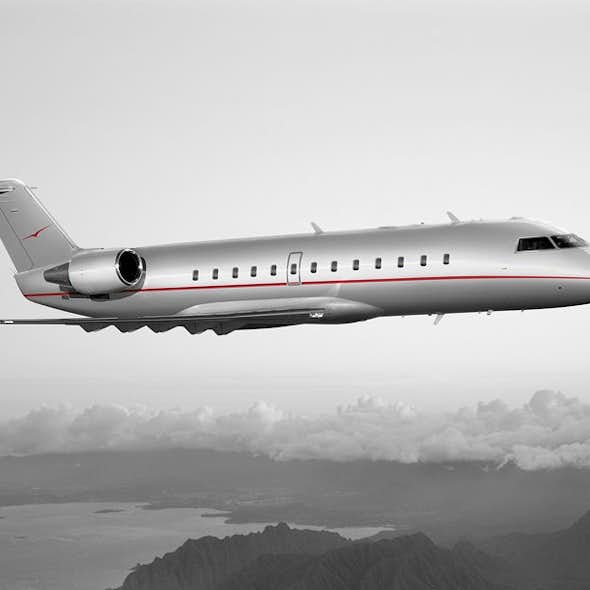
- Gas Costs: Gas is among the most important ongoing expenses. Depending on the aircraft type, gasoline consumption can range from 50 to four hundred gallons per hour. With common fuel costs hovering around $5 to $7 per gallon, this can result in fuel prices ranging from $250 to $2,800 per flight hour.
- Upkeep and Repairs: Regular maintenance is crucial for safety and compliance with aviation rules. The prices for maintenance can range widely, but homeowners ought to budget approximately 10% of the aircraft’s value yearly for maintenance and repairs. This contains routine inspections, engine overhauls, and unexpected repairs.
- Insurance coverage: Insurance coverage is one other important expense in aircraft possession. The cost of insurance can rely on a number of elements, including the aircraft’s value, the proprietor’s flying history, and the supposed use of the aircraft. On average, homeowners can anticipate to pay between $5,000 to $30,000 yearly for insurance coverage.
- Crew Salaries: If the aircraft requires a pilot or extra crew, salaries can be a major cost. A captain’s wage can vary from $70,000 to over $150,000 yearly, depending on experience and the aircraft sort. Additionally, if a flight attendant is employed, this might add one other $50,000 to $80,000 to annual costs.
- Hangar Charges: Storing a private airplane requires hangar house, which might vary based on location. In metropolitan areas, hangar fees can range from $500 to $2,500 per month, depending on the scale of the aircraft and the ability’s amenities.
Depreciation
Aircraft, like all asset, depreciate over time. On average, a private jet can lose about 5% to 10% of its worth annually. This depreciation must be factored into the general cost of ownership, especially if the proprietor plans to promote the aircraft in the future.
Extra Costs
In addition to the aforementioned bills, there are a number of other prices that house owners ought to consider:
- Taxes and Fees: Depending on the jurisdiction, house owners could also be subject to sales tax on the time of purchase, in addition to ongoing property taxes. Additionally, there could also be charges related to registration, inspections, and compliance with aviation laws.
- Upgrades and Modifications: Many house owners select to improve their aircraft with new expertise, interior refurbishments, or extra features. These modifications can add important costs, depending on the extent of the upgrades.
- Charter Providers: Some house owners opt to offset their prices by chartering their aircraft when they are not in use. Whereas this may generate revenue, it also comes with additional costs associated to administration and upkeep.
- Flight Planning and Administration Services: Many homeowners hire administration corporations to handle the logistics of aircraft operation, which can include flight planning, crew management, maintenance oversight, and regulatory compliance. Here is more about how much does it cost to charter a private jet, apnagharapnizameen.com, visit our webpage. These providers can vary from $10,000 to $50,000 annually, relying on the extent of service.
Conclusion
Proudly owning a private airplane is a significant investment that requires cautious consideration of both preliminary and ongoing prices. While the convenience and luxurious of private aviation are interesting, potential patrons must be fully aware of the financial commitments concerned. By understanding the various prices related to aircraft ownership—from buy price and working expenses to depreciation and additional fees—prospective house owners could make knowledgeable choices that align with their monetary capabilities and aviation needs.
In abstract, the total price of owning a private airplane can range from lots of of thousands to thousands and thousands of dollars annually, relying on the aircraft type, usage, and administration selections. For many who can afford it, the benefits of private aviation can be substantial, offering unmatched flexibility and entry to the skies. However, it is essential to method this funding with a transparent understanding of the monetary implications to make sure a rewarding ownership experience.
